November 5, 2026
Maintaining a comfortable indoor environment throughout the year requires a reliable climate control system that performs consistently under extreme weather conditions. Waiting for your system to fail before seeking professional maintenance often leads to costly emergency repairs, uncomfortable temperature spikes, and unexpected operational downtime. Scheduling a routine HVAC inspection before peak heating and cooling seasons ensures your system operates at peak efficiency while preventing sudden equipment breakdowns.
Identifying Early Mechanical Wear Before System Failure
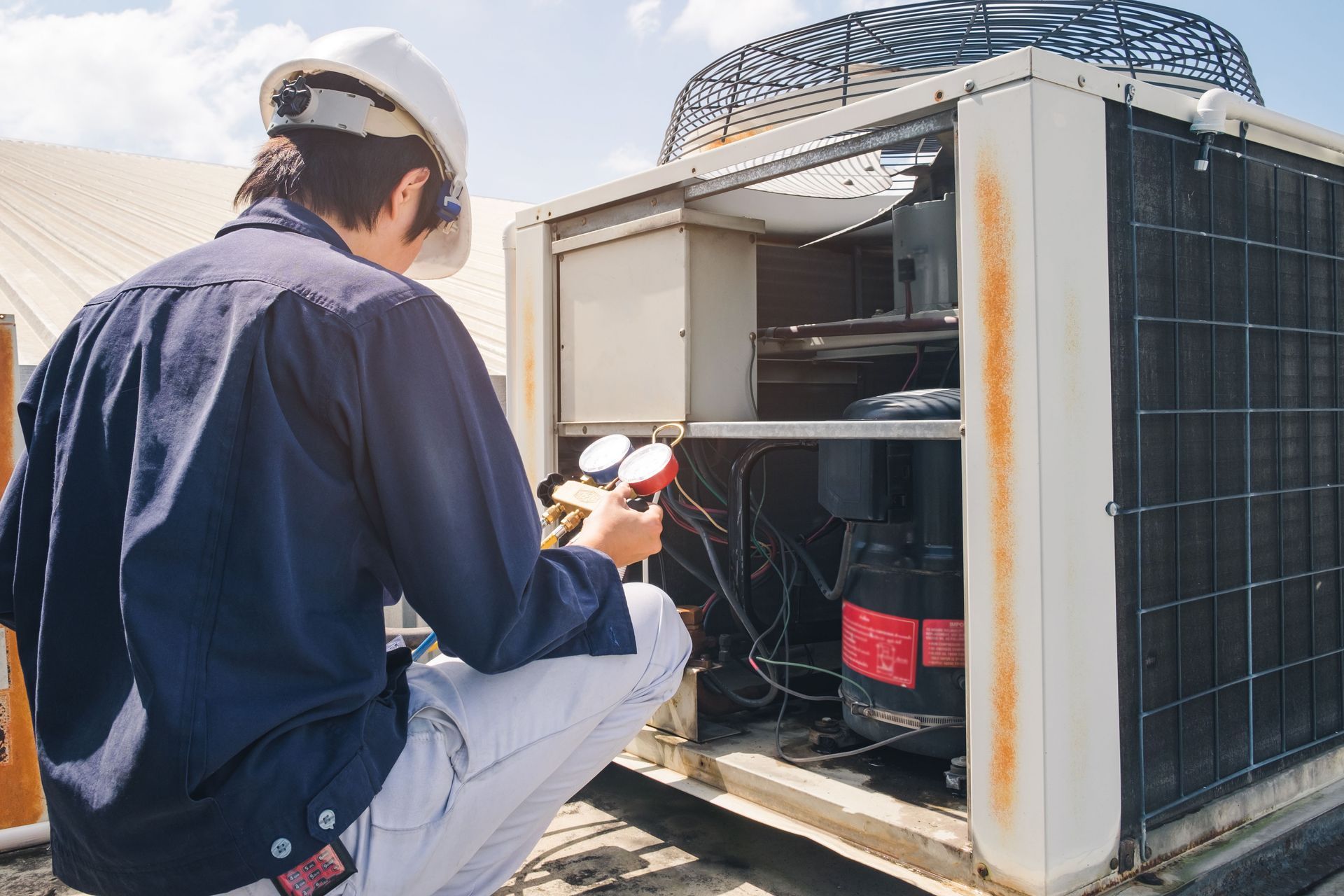
Heating and cooling systems contain numerous moving mechanical parts that experience continuous friction and vibration during normal operation. Over time, components like blower motors, fan belts, and bearings gradually wear down, putting extra stress on surrounding electrical and mechanical assemblies. Scheduling a comprehensive HVAC inspection allows trained technicians to detect minor component degradation early, replacing worn parts before they cause catastrophic system failure. Replacing a single worn belt or bearing during routine maintenance avoids the stress and expense of an emergency mid-season system shutdown.
Beyond basic mechanical wear, unaddressed friction forces drive up motor temperature levels, causing internal wire insulation to degrade and leading to premature electrical shorts. When blower fans or compressor bearings operate out of alignment, the resulting vibration loosens internal duct seams and degrades surrounding mounting brackets throughout the air handler. Skilled technicians measure operational amp draws, evaluate motor capacitors, and lubricate moving parts during routine service visits to restore optimal mechanical performance. Catching these subtle physical warning signs early prevents chain-reaction component failures, protects critical system electronics, and keeps your property comfortable and safe across all seasonal temperature swings.
Optimizing Energy Efficiency to Reduce Utility Costs
An unmaintained climate control system works significantly harder to heat or cool your property, consuming excessive electricity or fuel to maintain target temperatures. According to This Old House, Nearly 50% of the energy used in a standard U.S. home is used for heating and cooling. Booking a detailed HVAC inspection helps ensure that all system components, from burner assemblies to cooling coils, remain clean and properly calibrated for maximum energy efficiency. Lowering overall energy consumption not only reduces monthly utility bills but also reduces ongoing environmental impact across your entire building footprint.
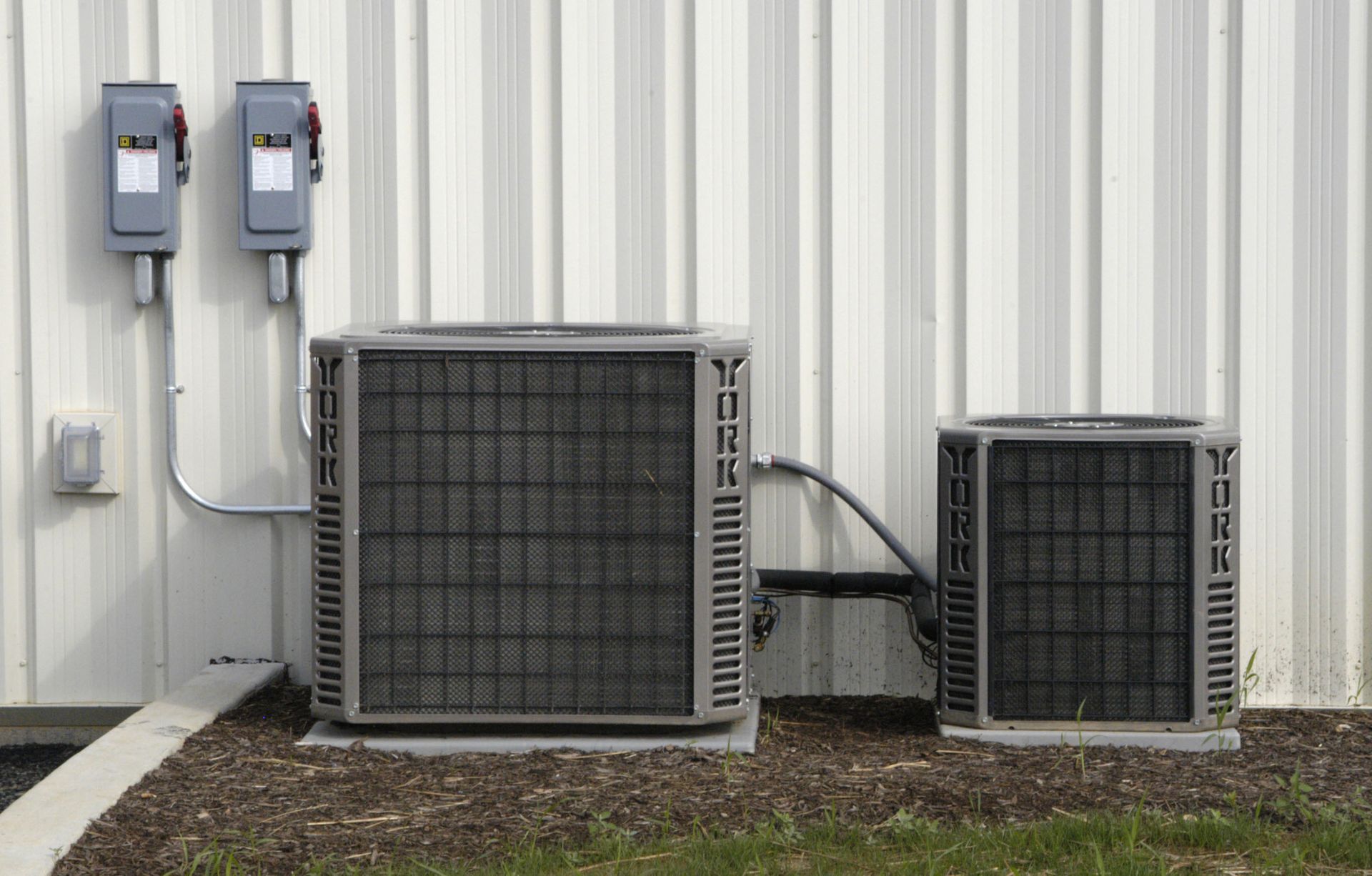
When heat exchanger surfaces, evaporator coils, or condenser fins accumulate heavy layers of dust and grim, heat transfer rates drop sharply, forcing compressors and heating elements to run for extended cycles. Clogged coils also restrict system airflow, increasing internal static pressure and forcing fan motors to draw significantly more electric wattage to move air through supply ducts. Comprehensive maintenance visits clear away these insulating thermal barriers, calibrate thermostat sensors, and optimize refrigerant charge levels to match original factory design parameters. Eliminating these operational inefficiencies restores optimal system performance, prevents unnecessary energy waste, and provides reliable indoor comfort throughout the entire year.
Improving Indoor Air Quality Across Your Building
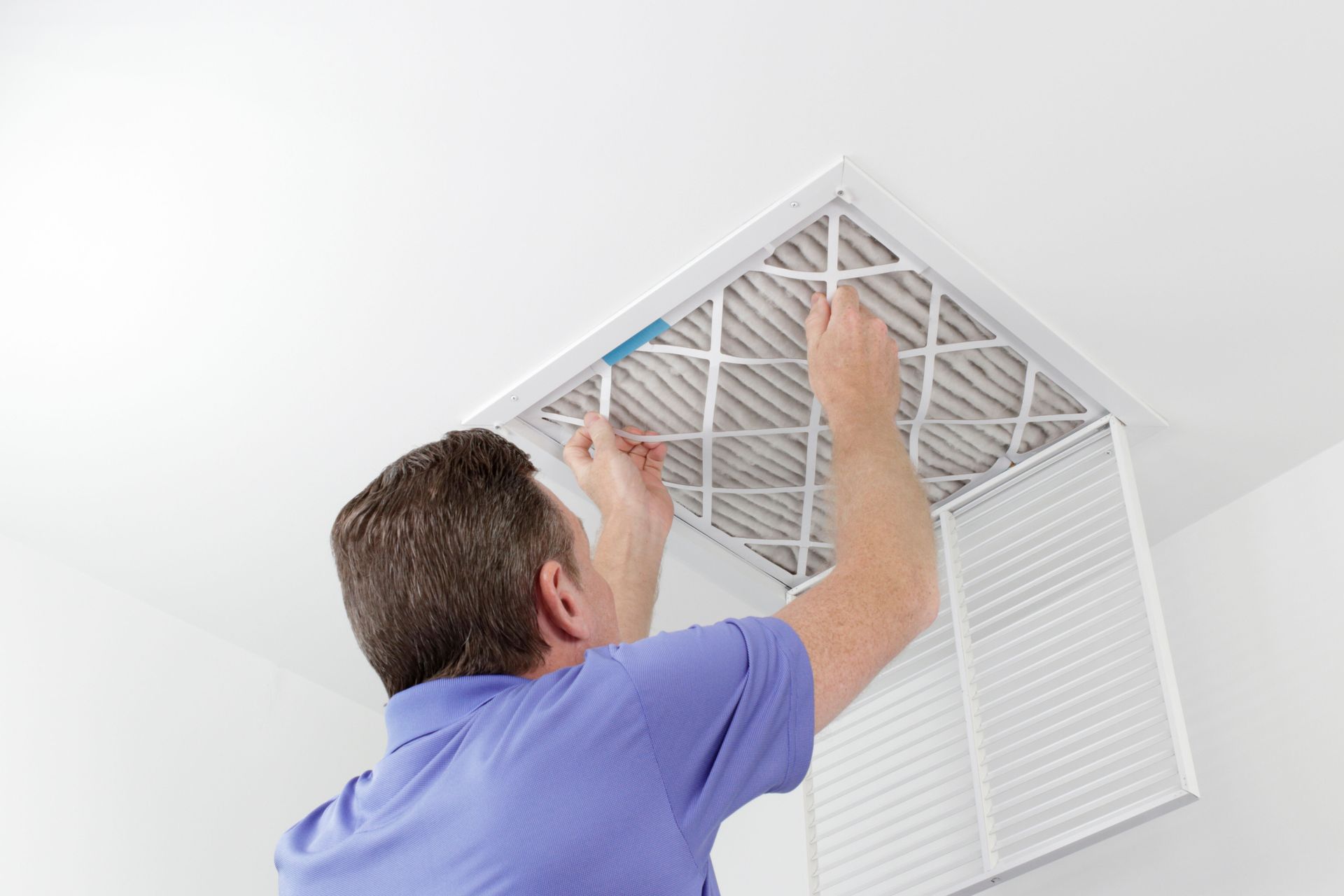
Dust, pollen, pet dander, and airborne debris continuously collect on interior air filters, ductwork, and blower components over months of operation. Accumulated debris restricts air circulation throughout your property while circulating micro-allergens and pollutants across living and working spaces. During a professional HVAC inspection, technicians clean critical interior air passages, verify ductwork connections, and replace dirty air filters to keep your air clean. Maintaining fresh airflow protects human health, lowers allergy triggers, and preserves a comfortable indoor environment for everyone inside.
Allowing particulate buildup to settle inside duct networks also fosters ideal breeding conditions for mold spores, bacteria, and dust mites within humid dark spaces. When fans cycle on, these trapped contaminants disperse continuously through supply vents, triggering respiratory irritation, persistent coughing, and seasonal allergy flare-ups for occupants. Comprehensive system cleanings remove stubborn grime from internal blower wheels, condensate drain pans, and cooling coils, eliminating sour odors at the source. Restoring unobstructed ventilation pathways ensures consistent air turnover rates, maintains optimal humidity balances, and provides clean, healthy indoor air across every room in your building.
Protecting Critical Electrical Circuits and Safety Switches
High-voltage electrical connections, capacitors, relays, and safety switches undergo significant thermal stress every time your system cycles on and off. Loose wiring connections or failing capacitors can cause electrical short circuits, board failures, or dangerous fire risks within your mechanical space. Arranging a preventive HVAC inspection ensures that licensed technicians test voltage draws, tighten electrical terminal screws, and verify that safety shutoff switches operate correctly. Verifying your electrical connections protects sensitive control boards and safeguards your property against unexpected electrical hazards.
Additionally, fluctuating electrical loads and rapid cycling can wear down system contactors, creating pitted metal surfaces that arch electricity and overheat delicate internal circuitry. When voltage levels drift outside safe operating ranges, expensive components like variable-speed fan motors and digital control interfaces are highly susceptible to sudden burnouts. Professional technicians inspect control transformer outputs, test limit switches, and verify system grounding integrity to ensure electrical stability across every operational phase. Addressing these hidden electrical vulnerabilities during routine checkups prevents unexpected component failures, mitigates fire hazards, and preserves the long-term reliability of your central environmental systems.
Extending Total Equipment Lifespan and Service Integrity
Replacing a commercial or residential central heating and air system represents a major capital investment for any property owner. Systems that undergo routine seasonal maintenance operate with far less mechanical friction, lower operating temperatures, and balanced airflow, significantly extending their service life. Including a thorough HVAC inspection in your annual maintenance schedule preserves vital mechanical components, helping you get maximum longevity from your initial equipment investment. Protecting system health year after year delays expensive system replacements and keeps your property running smoothly.
Consistently maintaining your system also preserves manufacturer warranty coverage, which frequently requires documented routine professional checkups to cover expensive replacement parts like compressors or heat exchangers. Operating clean, well-calibrated equipment prevents cumulative stress that shortens total unit longevity, allowing property owners to avoid premature full-system overhauls. Furthermore, keeping equipment in peak mechanical condition preserves higher property resale value, as prospective buyers look for reliable, well-documented mechanical systems. Prioritizing preventive inspections transforms your HVAC setup from a constantly vulnerable utility expense into a durable, long-term asset that delivers dependable climate control, predictable operating budgets, and reliable structural comfort for decades.
Securing Backup Power and Emergency Protection Systems
Extreme winter storms and summer heatwaves often strain local power grids, increasing the likelihood of sudden electrical blackouts. Integrating reliable Generac generators alongside your heating and air setup keeps your climate control equipment powered during regional grid outages. Coordinating a seasonal HVAC inspection alongside routine generator and sump pump installation checks ensures that backup systems kick on instantly when primary power fails. Maintaining your primary and backup environmental controls protects your property against freeze damage, flooded basements, and extreme temperature swings during severe weather events.
Simultaneously testing your environmental controls alongside automatic standby generators prevents transfer switch failures and dangerous voltage spikes when switching to auxiliary power. During comprehensive routine checkups, qualified technicians verify generator fuel line integrity, battery charging levels, and load transfer capacity to handle heavy starting currents from air conditioner compressors or electric heating elements. Ensuring your emergency generator and primary HVAC equipment communicate seamlessly guarantees uninterrupted operation during multi-day grid disruptions. Securing this interconnected power and climate framework preserves indoor air quality, keeps emergency sump pumps active, and maintains absolute thermal comfort across your property no matter how severe local weather conditions become.
Proactive maintenance is the best defense against unexpected heating and cooling failures during extreme climate conditions. Contact Homestead Plumbing & Heating, Inc. today to schedule your whole-home inspection or emergency service, and keep your property comfortable and secure all year long.