April 20, 2026
A reliable hot water system is essential for comfort, efficiency, and safety in any home. When performance starts to slip or costs begin to climb, it’s often a signal that change is needed. A strategic water heater replacement can improve daily convenience while reducing long-term expenses. By understanding the key indicators and benefits, we can make confident, informed decisions about upgrading.
1. Evaluate Aging And Lifespan Limits
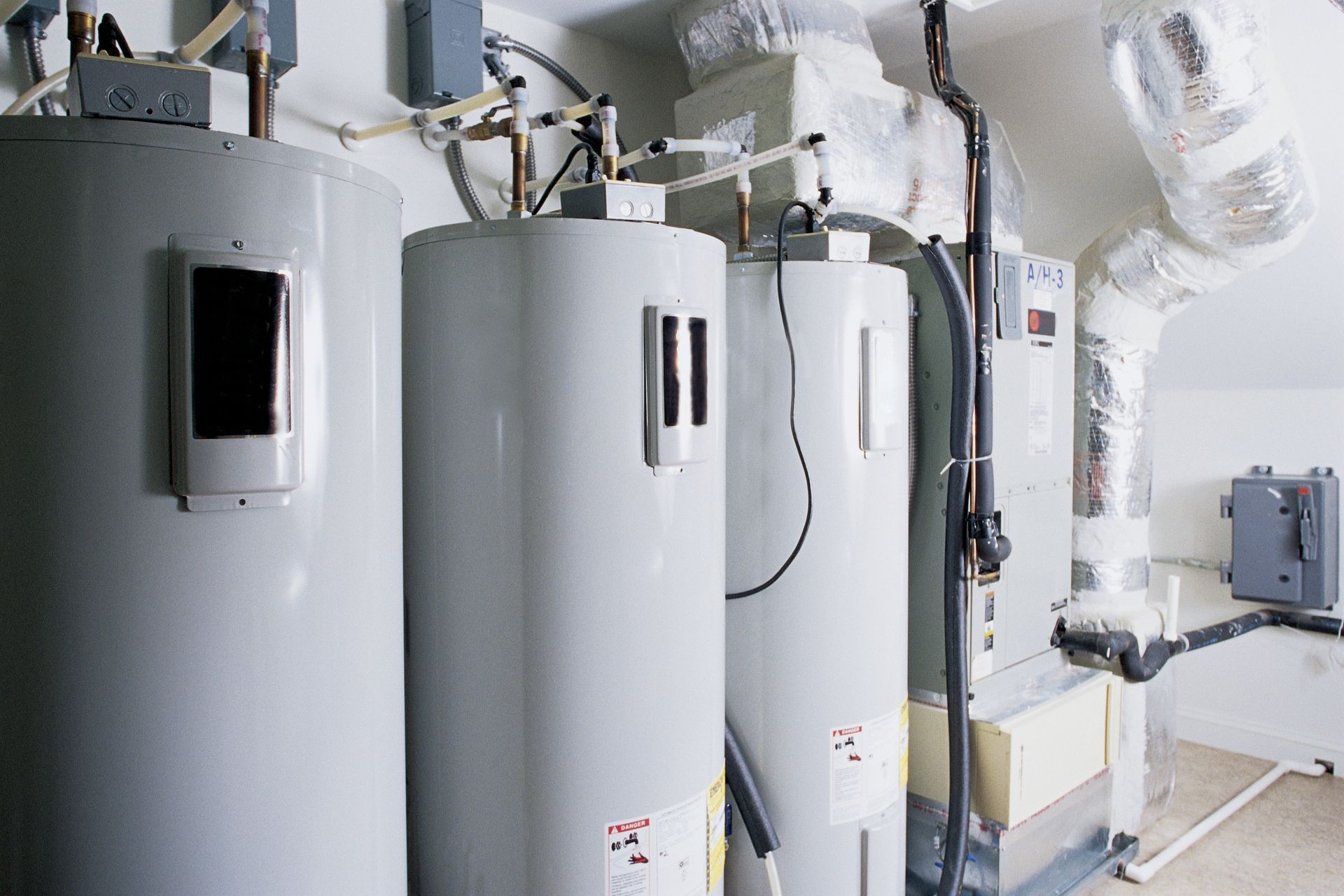
Water heaters are not designed to last forever, and age is one of the most important factors in performance decline. According to This Old House, on average, a tank water heater will last 10 to 15 years. As units approach or exceed this range, internal components begin to deteriorate, even with regular maintenance. Corrosion, sediment buildup, and worn heating elements all contribute to reduced efficiency and reliability. Recognizing this timeline helps us plan a proactive water heater replacement before costly failures occur.
2. Identify Warning Signs Of System Wear
Subtle changes in performance often signal deeper issues within a water heater. Strange noises, fluctuating water temperatures, or visible rust are common indicators that the system is struggling. Leaks or pooling water around the unit suggest internal damage that may not be repairable. These symptoms typically worsen over time, leading to unexpected breakdowns. Addressing them early with a water heater replacement helps prevent disruption and property damage.
3. Understand How Aging Reduces Efficiency
Older systems require more energy to deliver the same level of performance as newer models. Heating elements lose effectiveness, and sediment buildup reduces the tank’s ability to transfer heat efficiently. This results in longer heating cycles and higher utility bills. In many cases, the cost of operating an outdated unit outweighs the investment in a new one. Upgrading ensures we benefit from modern efficiency standards and consistent hot water delivery.
4. Follow Manufacturer Replacement Guidelines
Manufacturers provide clear recommendations on when to replace a water heater based on design limitations and expected wear. These guidelines are based on extensive testing and real-world performance data. Ignoring them can lead to safety risks, including pressure buildup or component failure. Warranties often align with these timelines, reinforcing the importance of timely upgrades. Staying within these parameters ensures dependable performance and reduces liability concerns.
5. Prevent Costly Breakdowns And Damage
As systems age, the likelihood of sudden failure increases significantly. A ruptured tank or major leak can cause extensive water damage, affecting floors, walls, and nearby systems. Emergency repairs often come at a premium and may still result in temporary solutions. By scheduling a planned replacement of a water heater, we avoid unexpected disruptions and control costs more effectively. This proactive approach protects both the home and the budget.
6. Improve Energy Efficiency And Lower Bills
Modern water heaters are engineered with advanced efficiency features that reduce energy consumption without sacrificing performance. High-efficiency models use less fuel or electricity to heat water, directly lowering monthly utility costs. Many units meet or exceed ENERGY STAR® standards, providing measurable savings over time. These improvements make a noticeable difference, especially in households with high hot water demand. Investing in efficiency ensures long-term financial benefits.
7. Reduce Monthly Energy Expenses
Outdated systems often operate inefficiently, consuming more energy to maintain water temperature. This inefficiency translates into steadily increasing utility bills. Newer models are designed to optimize energy use, heating water faster and retaining heat more effectively. Over time, the savings can offset the initial investment of a water heater replacement. Lower operating costs make upgrading a practical financial decision.
8. Eliminate Temperature Inconsistencies
The “cold water sandwich” effect is a common issue in aging or malfunctioning systems. Sudden bursts of cold water during use can disrupt daily routines and reduce comfort. Modern water heaters are built to deliver consistent temperatures with minimal fluctuation. Improved design and advanced controls ensure steady performance, even during peak usage. Eliminating these inconsistencies enhances overall household convenience.
9. Maximize Long-Term Financial Value
While the upfront cost of a new unit may seem significant, the long-term savings are substantial. Reduced energy consumption, fewer repairs, and extended lifespan all contribute to a strong return on investment. Additionally, an upgraded system can increase property value and appeal to potential buyers. Reliability and efficiency are key selling points in today’s market. A well-timed water heater replacement supports both immediate and future financial goals.
10. Take Advantage Of Incentives And Rebates
Many homeowners qualify for tax credits, rebates, or utility incentives when installing energy-efficient systems. These programs are designed to encourage sustainable upgrades and reduce upfront costs. By selecting qualifying models, we can significantly lower the financial barrier to replacement. Incentives vary by location and provider, making it worthwhile to explore available options. Leveraging these opportunities enhances the overall value of upgrading.
11. Reduce Environmental Impact
Energy-efficient water heaters play a critical role in reducing household carbon footprints. By consuming less energy, they decrease greenhouse gas emissions associated with power generation. This shift supports broader sustainability goals while maintaining high performance. Choosing environmentally responsible systems aligns with modern living standards. A water heater replacement can be both a practical and eco-conscious decision.
12. Choose Eco-Friendly Materials And Designs
Today’s water heaters often incorporate recyclable materials and environmentally responsible manufacturing processes. These innovations reduce waste and promote sustainable production cycles. Selecting eco-friendly models supports resource conservation without compromising durability. Manufacturers are increasingly prioritizing sustainability, offering more options than ever before. This makes it easier to align home upgrades with environmental values.
13. Upgrade To Advanced Technology Features
Modern water heaters offer a range of technological advancements that improve usability and performance. Smart features allow us to monitor energy usage, adjust settings, and receive maintenance alerts. Wi-Fi connectivity enables remote control, adding convenience and efficiency. These capabilities provide greater control over energy consumption and system performance. Upgrading introduces a new level of functionality that older units simply cannot match.
14. Enhance Safety With Modern Protections
Safety improvements are a major advantage of newer water heater models. Features like automatic shut-off valves, leak detection, and pressure regulation reduce the risk of accidents. Gas units include enhanced protection against leaks and carbon monoxide exposure. These advancements ensure compliance with current safety standards. Replacing an outdated unit significantly improves household safety and peace of mind.
15. Improve Water Quality And Cleanliness
Older tanks can accumulate rust, sediment, and mineral deposits that affect water quality. This buildup may lead to discoloration, unpleasant odors, or reduced clarity. New systems are designed to minimize these issues with improved materials and filtration options. Cleaner water enhances both daily use and long-term plumbing health. A water heater replacement helps restore confidence in water quality.
16. Increase Reliability During High Demand
Households with multiple users often experience high demand for hot water. Aging systems may struggle to keep up, resulting in shortages or delays. Modern units are built to handle increased demand with faster recovery times and improved capacity. This ensures consistent performance, even during peak usage periods. Reliable access to hot water is essential for maintaining daily routines without interruption.
Upgrading a water heater is about more than replacing an appliance; it’s about improving efficiency, safety, and overall home performance. From reducing energy costs to enhancing reliability and water quality, the benefits are both immediate and long-lasting. When we take a proactive approach, we avoid unexpected failures and gain access to modern technology that simplifies everyday living. If your current system is showing signs of age or inefficiency, now is the time to act. Contact Homestead Plumbing & Heating, Inc to schedule your professional water heater replacement and experience the difference a modern system can make.