April 29, 2026
Furnaces are a critical component of any household during the colder months. Understanding their lifespan is essential for homeowners to ensure continuous comfort and prevent unwelcome financial surprises. The longevity of a furnace not only influences household comfort but also affects energy costs and long-term budgeting. Working with a qualified heating contractor can further support proper system selection and care. This article will explore the average lifespan of furnaces, factors affecting their longevity, and how to extend their operational life. Moreover, it will delve into the financial, environmental, and regional considerations that are crucial for making informed decisions about furnace usage and replacement.
Understanding Furnace Lifespan
Average Lifespan of a Furnace
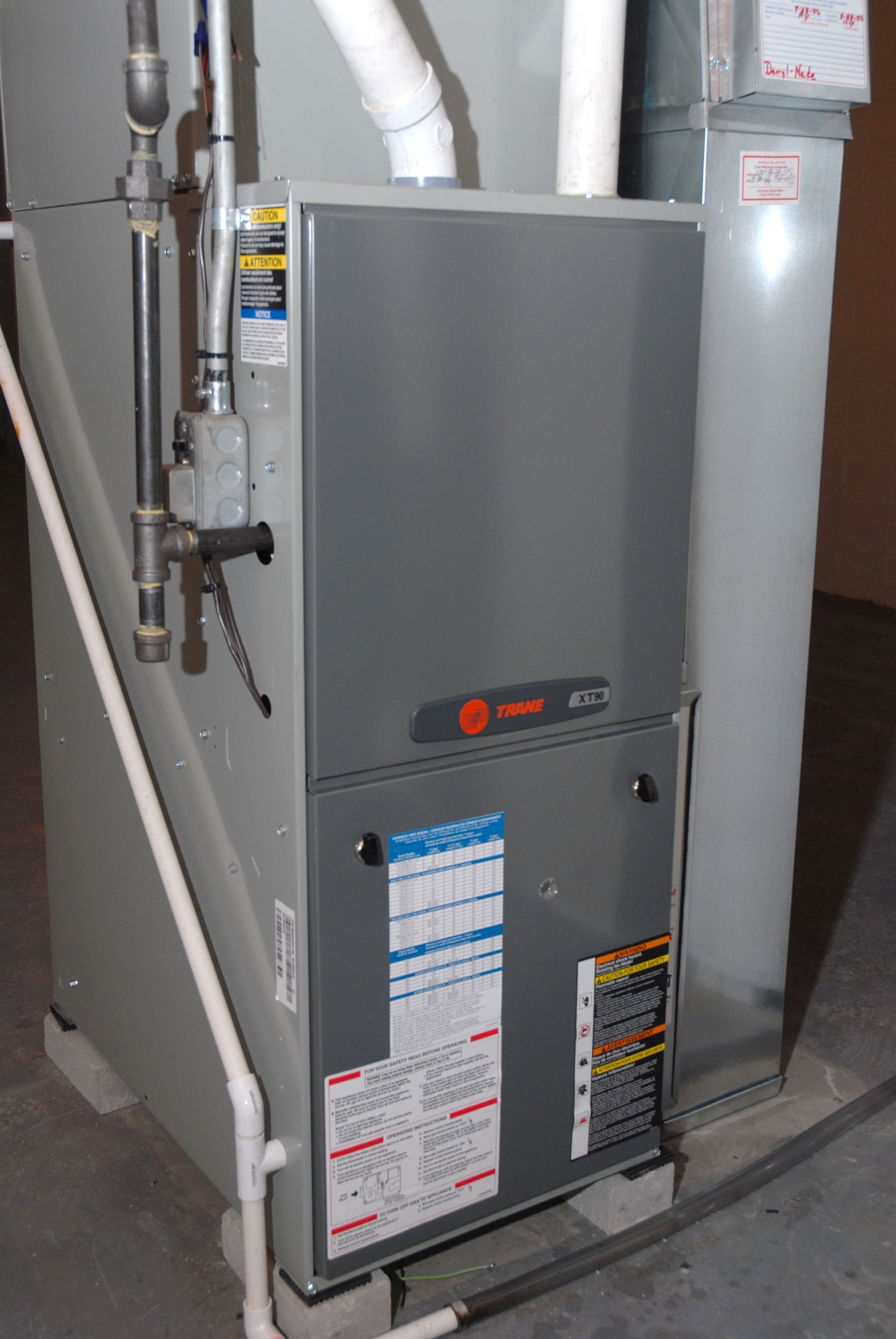
In general, the average lifespan of a furnace varies depending on the type, with gas furnaces typically lasting between 15 and 20 years and electric ones having a similar lifespan under optimal conditions. According to This Old House, furnaces can often last 15–20 years or more with proper care and maintenance, especially when serviced by a professional heating contractor. Different furnaces, including oil furnaces, might fall within this range or slightly deviate depending on external factors. Understanding these time frames can help homeowners plan for future expenses and avoid abrupt failures impacting home comfort.
Factors Affecting Lifespan
Several variables affect how long a furnace will perform effectively. Climate plays a significant role; furnaces used in colder regions typically face more strain than those in milder climates, potentially reducing their lifespan. Additionally, usage patterns impact wear and tear; frequently running furnaces will experience quicker deterioration versus those operated only as needed. Another critical factor involves the quality and brand of the furnace; premium brands with robust warranties often last longer than cheaper alternatives. Consulting with a heating contractor when selecting a system can help homeowners choose durable, high-performing options. Homeowners can prolong their furnace's lifespan by carefully selecting appropriate models for their specific usage and environmental conditions.
Signs of Aging Furnaces
Recognizing signs of an aging furnace is essential for timely replacements and avoiding unexpected breakdowns. Decreased efficiency is a notable indicator, often manifested through uneven heating or increased energy bills. Frequent repairs and replacements of parts like thermostats and blowers signal that a furnace is reaching the end of its operational life. Strange noises and reduced output may also indicate internal issues that warrant further inspection from a trusted heating contractor. By maintaining awareness of these symptoms, homeowners can prepare for timely upgrades, ensuring continued comfort and efficiency.
Maintaining Your Furnace for Longevity
Regular Maintenance Benefits
Regular maintenance is pivotal in extending a furnace's operational lifespan and enhancing its performance. Routine checks and tune-ups ensure that furnaces operate efficiently, minimizing the risk of unexpected breakdowns. By maintaining optimal efficiency, regular maintenance can reduce energy consumption, leading to lower utility bills over time. Properly maintained furnaces are less susceptible to wear and tear, potentially extending their lifespan beyond average expectations. Scheduling service with a professional heating contractor further improves system reliability. In turn, homeowners can delay expensive replacements, realizing greater value from their heating systems.
Recommended Maintenance Schedule
Following a structured maintenance schedule helps keep furnaces in top condition throughout their operational life. Experts typically recommend servicing furnaces at least once a year before the heating season begins. Gas furnaces might need more frequent gas line inspections, while electric furnaces benefit from regular electrical component checks. Oil furnaces require periodic cleaning and monitoring due to their specific maintenance needs. A qualified heating contractor can tailor maintenance schedules based on system type and usage. Adhering to these timeframes ensures that any emerging issues are caught early, preventing costly repairs and extending lifespan.
Professional Inspection Importance
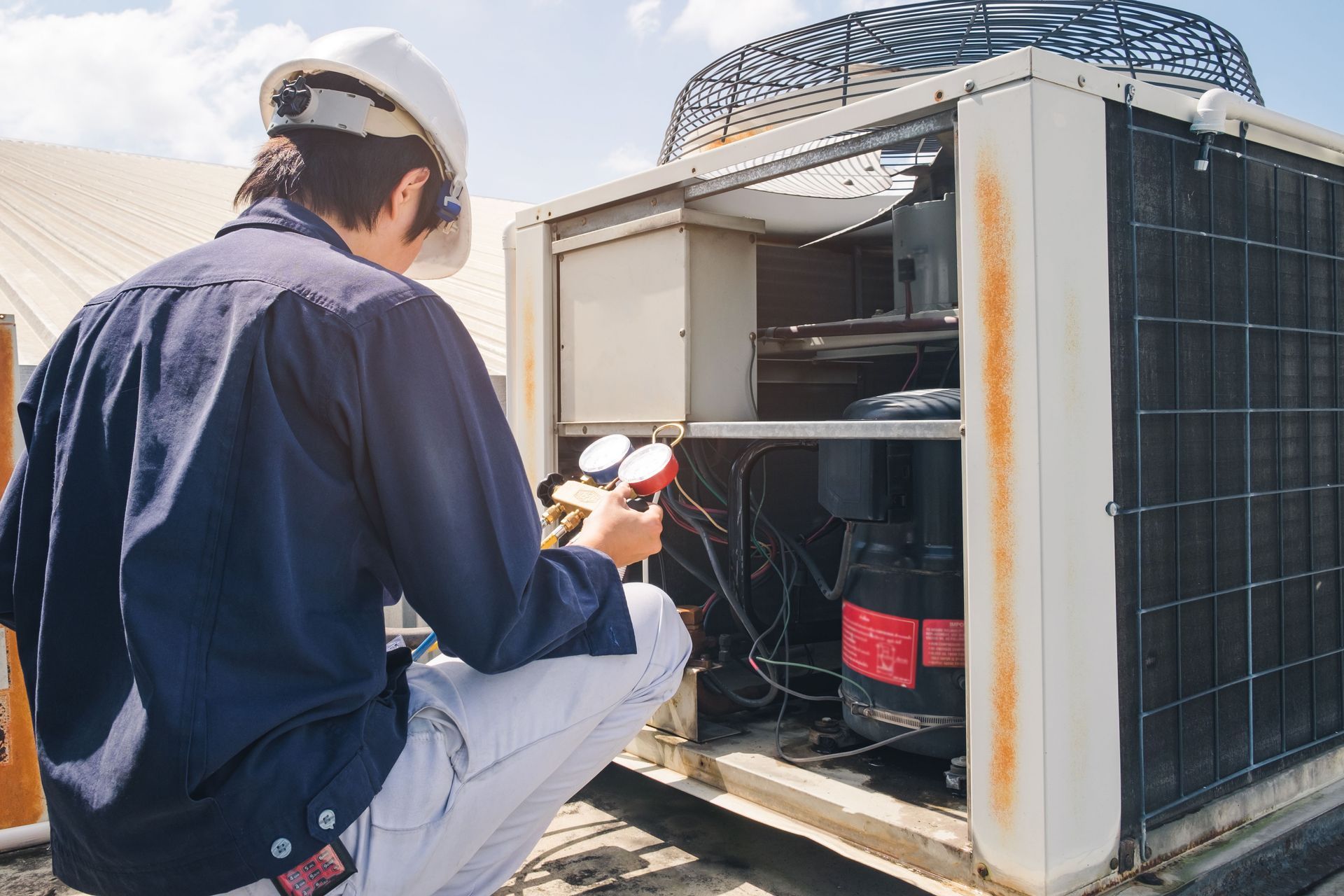
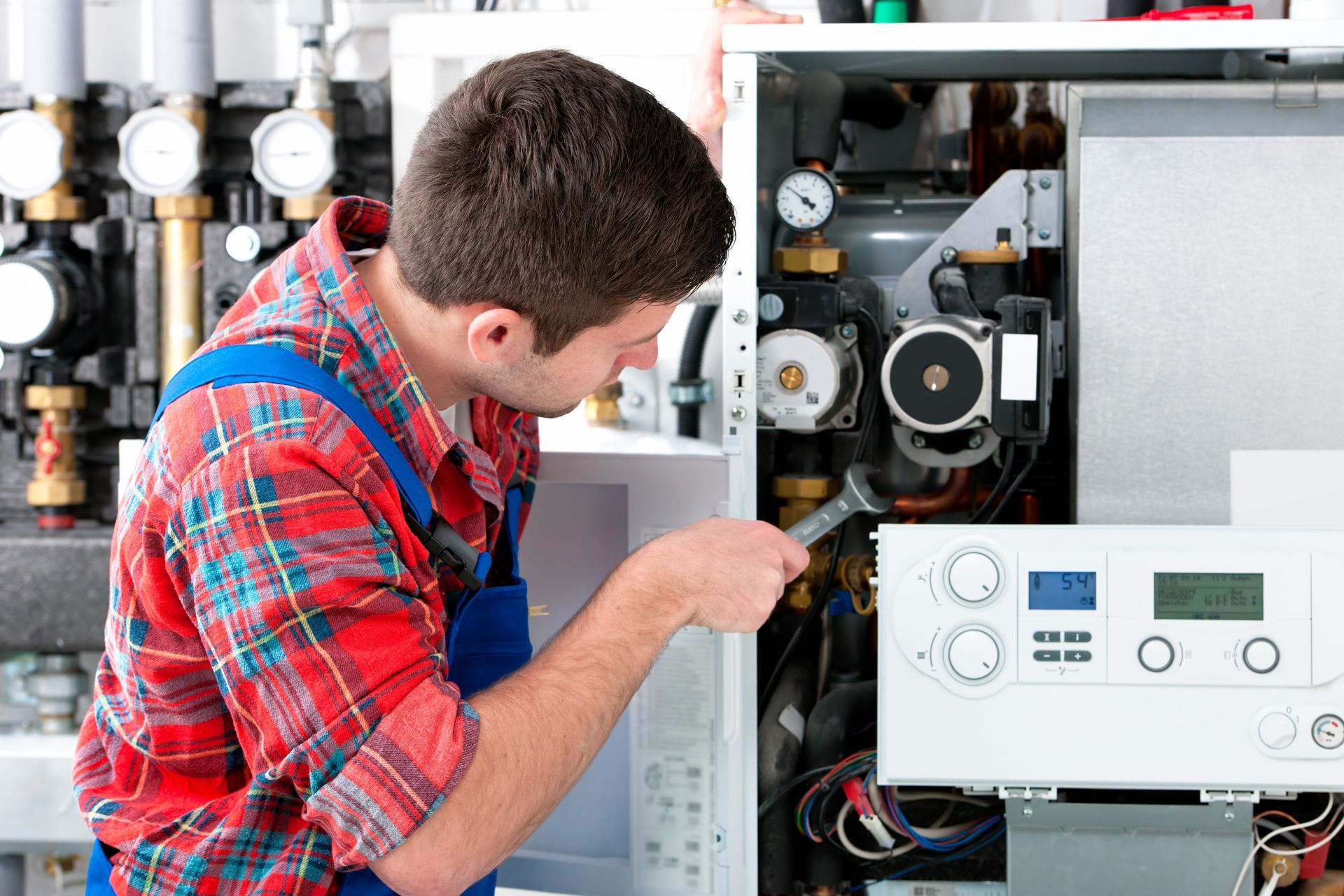
Professional inspections offer in-depth analysis and maintenance beyond the scope of DIY efforts, safeguarding the health of the furnace. Technicians use specialized equipment to detect hidden problems, such as gas leaks, electrical issues, or mechanical wear that homeowners may overlook. They also provide expert advice on optimizing furnace settings and replacing worn parts that could compromise efficiency if left unchecked. Regular professional check-ups, usually once a year with a heating contractor, ensure that furnaces operate safely and continue to run efficiently. Prioritizing these inspections enhances safety and preserves the furnace's lifespan, providing peace of mind to homeowners.
Regional Considerations for Furnace Lifespan
Effects of Climate on Furnace Use
Climate-driven factors play a crucial role in determining a furnace's operational lifespan and performance. Homes in colder regions require furnaces to run for longer periods, placing greater strain on components and potentially reducing lifespan. Conversely, milder climates may prolong the operational life of heating systems by reducing wear. Homeowners must consider these geographic influences when assessing and selecting furnaces suitable for their regional environments, often with guidance from a heating contractor. Investing in climate-compatible heating solutions reinforces long-term efficiency and aligns with location-specific considerations.
Energy Supply Considerations
Variations in regional energy supply and costs influence the operational feasibility and efficiency of different furnace types. In areas with affordable natural gas, gas furnaces might offer economic and efficient options for heating systems. Alternatively, areas with high electricity costs could favor gas or oil solutions due to lower usage expenses. A heating contractor can provide insights into the most cost-effective options based on local energy trends. Assessing the regional infrastructure and energy distribution enhances informed decision-making, maximizing efficiency and minimizing costs. This awareness supports comprehensive heating strategies that reflect economic realities and support consistent energy accessibility.
Financial Implications of Furnace Replacement
Cost of New Furnaces
Investing in a new furnace represents a significant financial outlay, necessitating careful planning and analysis. Base costs vary depending on the furnace type, with gas furnaces generally being more expensive than electric ones. Moreover, installation costs can add considerably to the overall expenditure, influencing the final amount. However, newer models often promise energy efficiency benefits, potentially offsetting the upfront costs through long-term savings. Consulting a heating contractor for installation estimates and system recommendations can help homeowners budget more accurately.
Evaluating Repair vs. Replacement
Deciding whether to repair an existing furnace or purchase a new one depends on several key considerations. Older furnaces requiring frequent repairs may ultimately become more costly than investing in a new unit. Homeowners should assess the frequency and cost of repairs alongside the furnace's remaining lifespan. Generally, if a furnace approaches the 15-20 year mark and necessitates expensive repairs, replacement may offer better value. A heating contractor can provide a professional assessment to guide this decision. Calculating total costs over time helps inform this decision, balancing immediate expenses against long-term efficiency and savings.
Impact on Energy Bills
Replacing an outdated furnace with a new, energy-efficient model can significantly impact household energy bills. Modern furnaces offer enhanced efficiency standards, consuming less energy to deliver the same level of heating. Consequently, homeowners may experience a noticeable reduction in monthly bills, easing financial strain. Over time, these savings contribute to recouping the initial investment, highlighting the cost-effectiveness of replacement. Guidance from a heating contractor can ensure the selected model maximizes these efficiency gains. Understanding these potential benefits aids in framing the purchase of a new furnace as a financially strategic move.
Planning for Future Upgrades
Creating a comprehensive financial plan from the outset supports seamless future furnace upgrades and keeps household budgets on track. Homeowners should evaluate potential lifespan extensions and estimated costs associated with their current systems to avoid emergencies. Building a savings buffer specifically for heating system replacements ensures readiness when the need arises. Additionally, considering furnace upgrades within broader home improvement strategies can align renovations, reducing costs and disruptions. Partnering with a
heating contractor during long-term planning can further streamline upgrades. Strategic planning around furnace replacements supports both financial health and home comfort over the long term.
The lifespan of a furnace is influenced by multiple factors, including maintenance, environmental conditions, and technological advancements. Homeowners must remain vigilant to signs of aging and adhere to regular maintenance schedules to maximize their systems' operational life. Understanding the financial, environmental, and technological considerations associated with furnaces supports informed decision-making, ensuring efficient, cost-effective heating solutions.
If you're looking to maximize the lifespan and efficiency of your furnace, don't hesitate to reach out to the experts at Homestead Plumbing & Heating, Inc. Our team is dedicated to providing top-notch maintenance and inspection services tailored to your specific heating needs. Contact us today to schedule your annual furnace check-up and ensure your home stays warm and comfortable all season long!