November 6, 2026
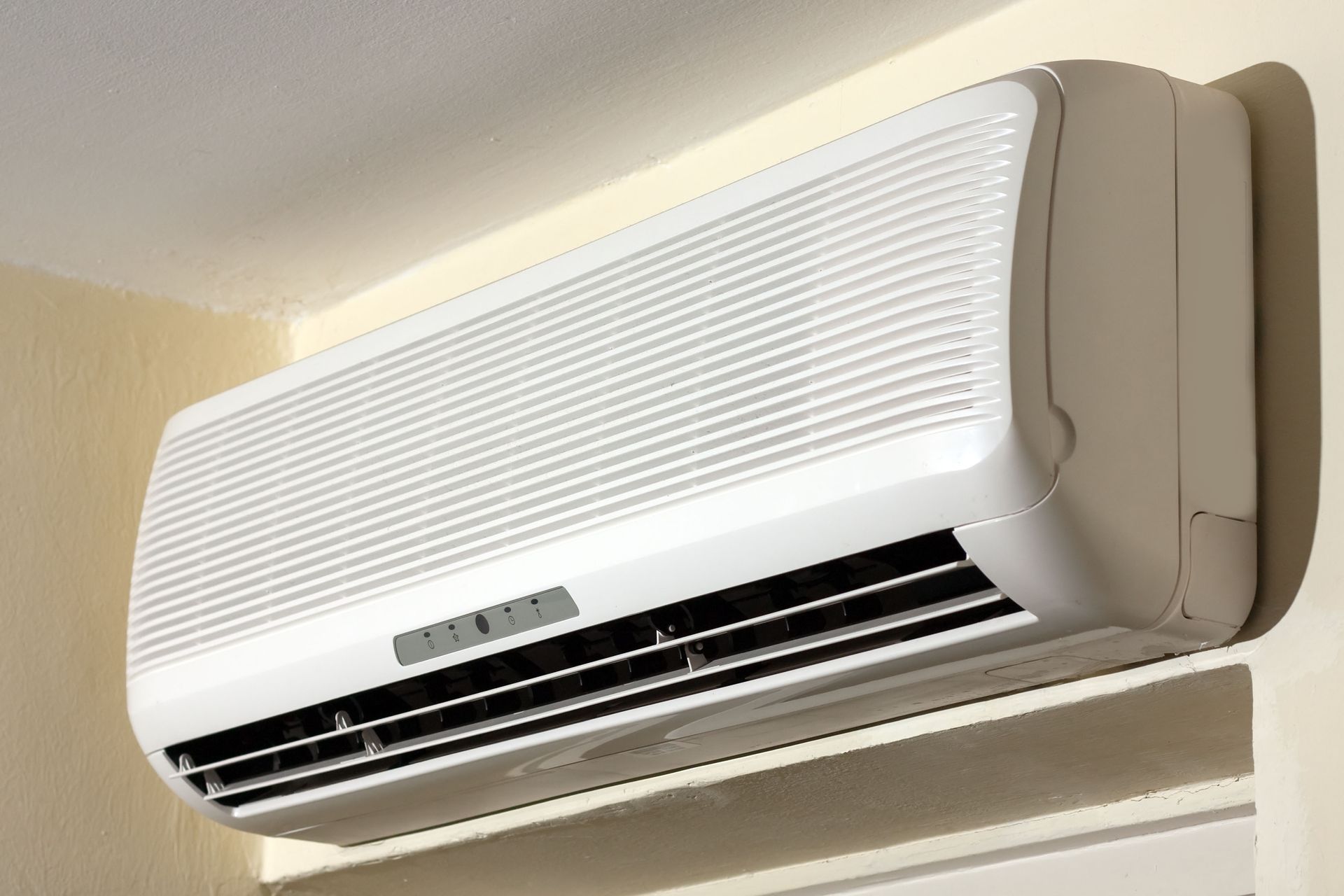
Air conditioning systems are built to run in full, continuous cooling cycles that lower indoor temperatures and remove ambient humidity efficiently. When your cooling unit repeatedly powers on for a few minutes before shutting down prematurely, your property is experiencing a damaging condition known as short cycling. Recognizing early symptoms of this mechanical issue allows you to contact experienced local HVAC contractors before minor operational stress leads to total system failure.
Recognizing Unusual Electrical Fluctuations and Spikes
Frequent system startups draw intense surges of electrical current, placing immense strain on your building’s electrical panel and interior wiring. This constant rapid cycling causes immediate spikes in your monthly electric bill because starting an air compressor requires significantly more energy than maintaining a steady cooling run. According to Cleango, 12% of the average home's yearly energy expenditure is spent on air conditioning. Consulting licensed local HVAC contractors ensures your electrical connections, start capacitors, and power relays are inspected and repaired safely before electrical components burn out.
Repeated inrush currents weaken wire insulation and loosen screw terminal connections over time, increasing resistance throughout the entire branch circuit. This electrical stress overheats critical control boards, causes breaker trips, and corrodes contactor points through continuous high-voltage arcing. Installing hard-start kits, replacing degraded run capacitors, and tightening supply wiring terminals stabilizes internal voltage levels during compressor ignition. Experienced technicians can also evaluate power supply consistency to protect sensitive solid-state electronics from sudden power surges. Proactively addressing these electrical supply deficiencies restores system energy efficiency, prevents sudden system shutdowns during peak summer heat waves, and protects expensive internal motor windings from permanent electrical failure.
Detecting Sudden Temperature Fluctuations and Cold Spots
A cooling unit needs consistent runtime to circulate conditioned air evenly throughout every room and floor of a property. When short cycling interrupts the natural air flow, hot pockets of trapped air remain stagnant near interior corners and upper floors. Property owners often notice that central rooms stay uncomfortably warm while areas closest to supply vents experience rapid temperature drops. Scheduling an annual HVAC inspection with certified local HVAC contractors helps identify improper ductwork airflow or thermostat calibration issues that create inconsistent indoor temperatures.
Premature shutoffs also prevent the blower motor from establishing the static air pressure necessary to push conditioned air through long, multi-branch duct networks. As a result, perimeter bedrooms and upper-level spaces suffer from stagnant, uneven air circulation that forces occupants to constantly adjust their thermostats. This continuous cycle leads to unnecessary mechanical wear on air handlers while driving up seasonal energy costs. Trained technicians can recalibrate digital sensors, optimize supply damper positions, and balance static ductwork pressures to ensure equal airflow distribution across every room, ultimately eliminating persistent temperature swings and restoring complete home comfort.
Monitoring Rising Indoor Humidity and Sticky Air
Air conditioning systems do more than lower room temperatures; they also act as dehumidifiers by pulling moisture out of circulating air as it passes across cold evaporator coils. Short cooling bursts do not last long enough for condensate to condense, collect, and drain away properly through the drainage system. As a result, indoor humidity levels rise quickly, creating a clammy environment that promotes mold growth and degrades indoor air quality. Partnering with skilled local HVAC contractors helps re-establish balanced humidity control while keeping indoor living and working spaces completely comfortable.
When an air conditioner cycles off prematurely, high relative humidity levels linger indoors even if the thermostat indicates the target temperature has been reached. This elevated moisture creates an ideal breeding ground for dust mites, airborne bacteria, and active mold spores inside ductwork and living spaces. High humidity also forces occupants to lower temperature settings further to achieve comfort, unnecessarily increasing system workload and driving up energy expenses. Experienced technicians can evaluate your system's latent cooling capacity, adjust airflow speeds across the evaporator coil, or integrate dedicated dehumidification controls to manage indoor moisture effectively, protecting your property's structural health and overall air quality.
Spotting Restrictive Filters and Blocked Airflow
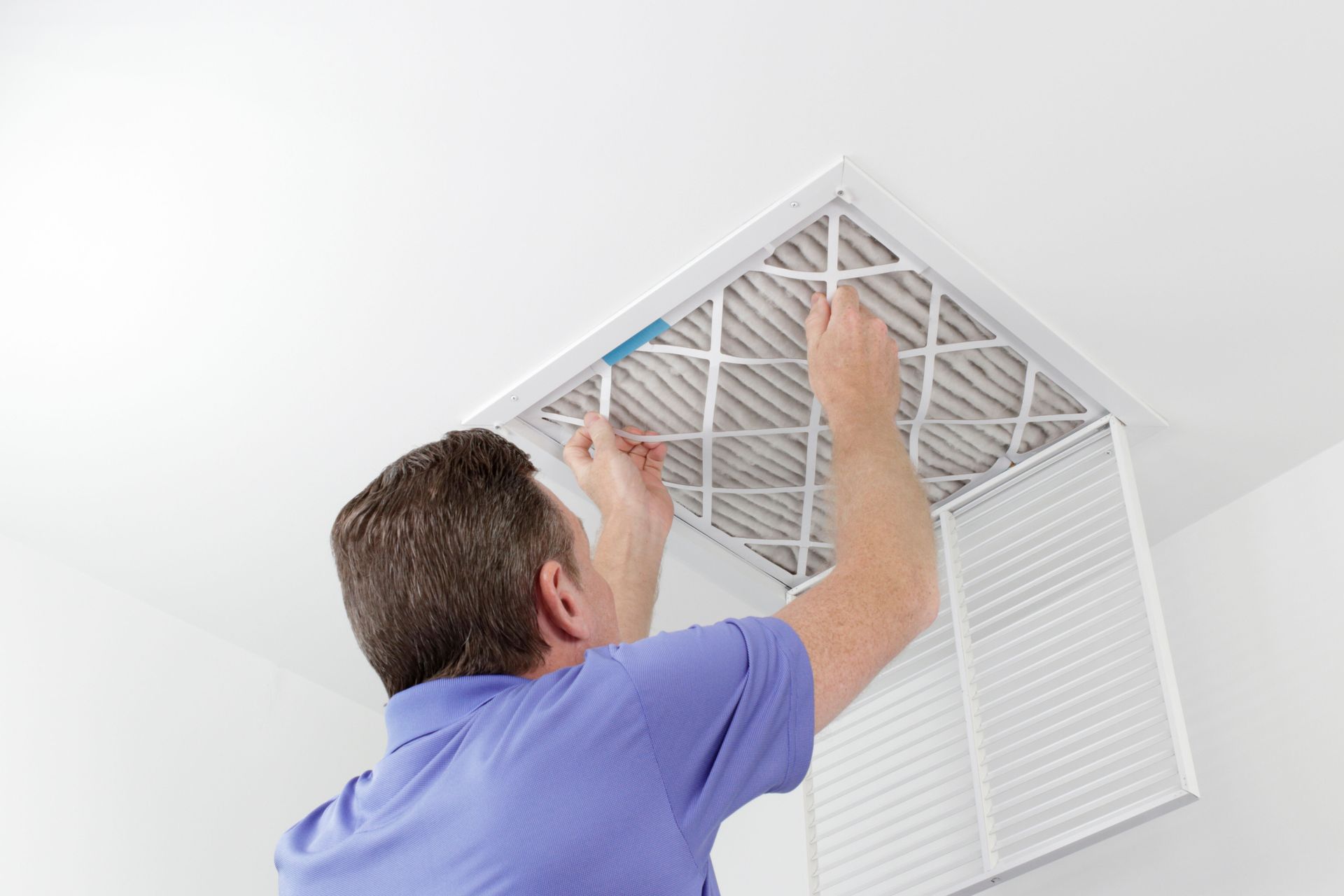
Restricted airflow is one of the most common causes of system short cycling in residential and commercial properties. When air filters accumulate heavy dust, pet hair, or industrial debris, incoming airflow drops significantly, causing the internal evaporator coils to freeze over into solid ice blocks. The system's automatic high-pressure safety switches then trigger an immediate shutdown to prevent permanent compressor failure. Engaging local HVAC contractors for routine air conditioning services ensures filters, blower fans, and intake vents remain clean, completely clear, and free from dangerous operational blockages.
When static pressure rises within restricted ductwork, the blower fan struggles against heavy resistance, severely overheating the fan motor while starving the heat exchanger of necessary ambient air circulation. As ice thickens across frozen evaporator coils, liquid refrigerant fails to evaporate correctly, threatening to flow backward directly into the compressor casing where liquid slugging can permanently destroy internal pistons. Skilled technicians clean choked condensate drain pans, remove dust buildup from curved fan blades, and restore unrestricted static pressure balance across the return plenum. Eliminating severe airflow restrictions protects critical mechanical components from sudden failure, extends overall equipment lifespan, and optimizes system efficiency.
Identifying Over-Sized Cooling Equipment and Mismatched Components
Bigger is not always better when it comes to selecting cooling equipment for your property. An oversized air conditioner rapidly cools interior spaces down before completing a proper dehumidification cycle, causing the thermostat to cut power prematurely. Mismatched outdoor compressor units paired with incompatible indoor air handlers also trigger erratic cycling behaviors that wear out mechanical parts quickly. Working with qualified local HVAC contractors guarantees precise cooling load calculations, proper equipment sizing, and professional AC installation tailored directly to your building's exact square footage.
Accurate load calculations evaluate factors far beyond mere square footage, incorporating ceiling heights, window insulation values, sun exposure, and local climate patterns. Installing a system carefully calibrated to your thermal envelope prevents frequent temperature swings that place heavy mechanical stress on internal motor bearings. Furthermore, properly matched indoor coil assemblies and outdoor condensers ensure optimal refrigerant pressure ratios across every stage of operation. Choosing right-sized cooling equipment eliminates short-cycling issues, stabilizes indoor humidity levels, maximizes overall energy efficiency, and significantly extends the operational lifespan of your entire HVAC system.
Addressing Low Refrigerant Levels and System Leaks
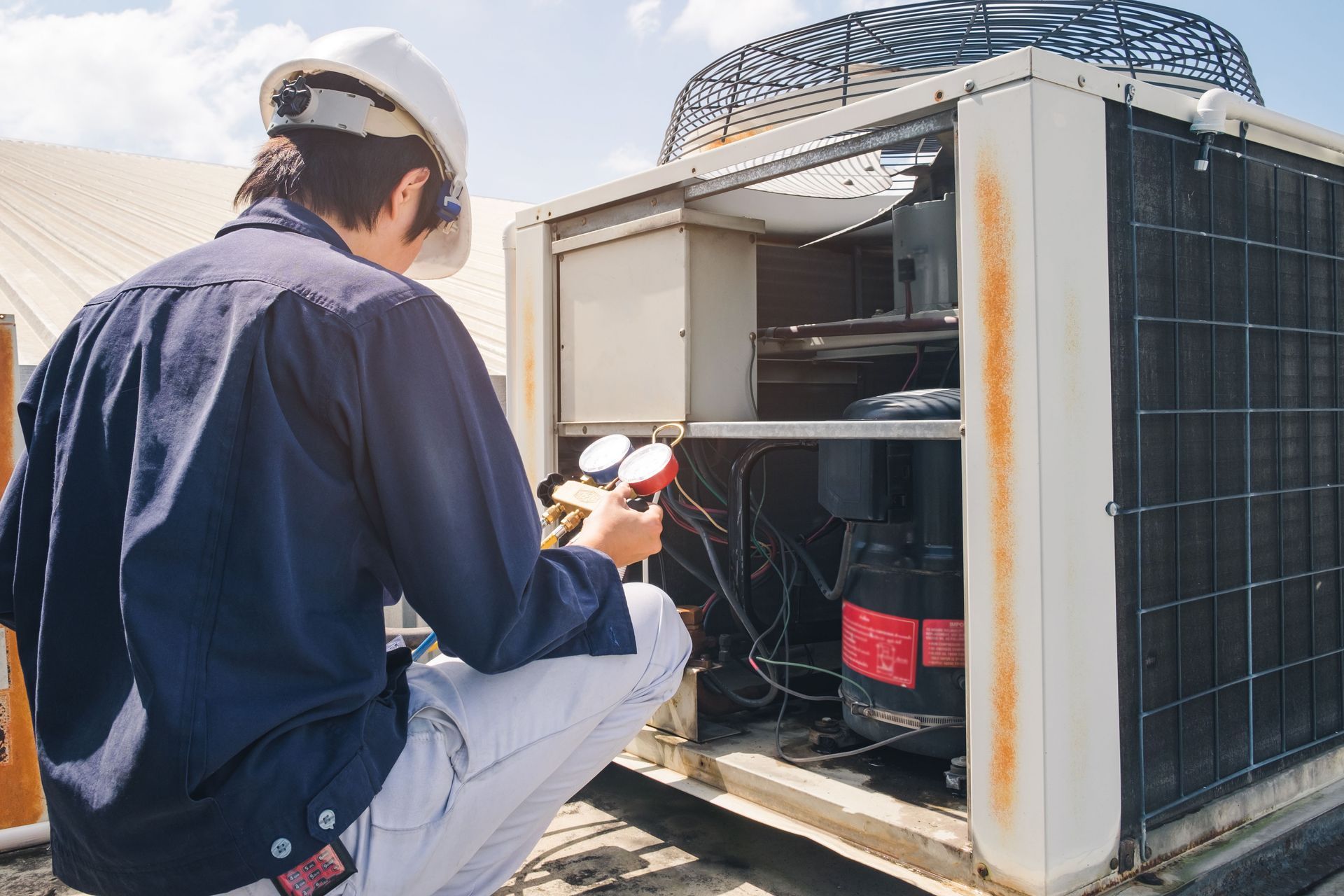
Refrigerant acts as the primary heat-transfer agent inside your cooling network, absorbing interior heat and releasing it outdoors through condenser coils. When hidden line leaks cause chemical refrigerant levels to drop below factory specifications, system pressure plummets rapidly. Pressure monitoring sensors automatically shut down the compressor to prevent motor overheating, starting a continuous loop of short cycling. Scheduling prompt AC repair with dependable local HVAC contractors allows technicians to locate line leaks, repair delicate copper tubing, and recharge your system safely according to manufacturer guidelines.
Low refrigerant levels force the compressor to operate under extreme thermal conditions, drawing excessive current while trying to meet cooling demands. Operating a cooling system with depleted refrigerant also risks drawing air and moisture into closed line sets through micro-punctures, contaminating compressor oil and creating internal acid sludge. Specialized technicians perform high-pressure nitrogen drop tests, utilize electronic leak detectors, or introduce UV fluorescent dyes to pinpoint tiny pinhole leaks along copper solder joints.
Protecting your cooling equipment from short cycling preserves operational energy efficiency and extends the overall service life of your property's investment. Contact Homestead Plumbing & Heating, Inc. today to schedule a comprehensive AC check-up, emergency AC repair, or specialized HVAC inspection with our experienced technicians.