December 18, 2025
In today’s world, improving energy efficiency is more crucial than ever. Not only can it significantly reduce monthly energy bills, but it also helps lower our overall carbon footprint, supporting a more sustainable future. According to This Old House, nearly 90% of U.S. homes used air conditioning, highlighting the widespread energy demands of modern households. Energy Star Certified systems offer an excellent solution for homeowners seeking to save on energy costs while maintaining high performance. From assessing your HVAC systems with experienced air conditioning contractors to selecting energy-efficient lighting, we’ll provide practical guidance to help you create a home that is both cost-conscious and environmentally responsible.
Explaining Energy Star Certification
Defining Energy Star
Energy Star is a program backed by the U.S. government dedicated to promoting energy efficiency through the use of certified products and practices. Introduced in 1992 by the Environmental Protection Agency (EPA), the initiative aims to reduce greenhouse gas emissions and pollutants by making homes and businesses more energy efficient. The iconic blue Energy Star label signifies that a product meets or exceeds stringent energy-efficient guidelines set by the EPA. Consumers can easily trust the brand, as it is recognized universally for its efforts in energy conservation.
Highlighting the Benefits of Energy Star Certification
Adopting Energy Star Certified products comes with a host of benefits that go beyond energy savings. One of the key advantages is the significant reduction in energy bills, potentially saving hundreds of dollars annually. Moreover, Energy Star products often have a longer lifespan compared to non-certified products, providing better durability and reliability. Additionally, these products contribute to lower carbon emissions, thus supporting efforts to combat climate change. Energy Star not only benefits individual households but also plays an essential role in promoting global environmental responsibility. Properly working with certified air conditioning contractors ensures your HVAC systems maintain these benefits over time.
Explaining Energy Star Certification Criteria
For a product to earn the Energy Star label, it must meet strict energy performance standards established by the EPA. These criteria are based on specific benchmarks for each type of product, ensuring optimal energy savings without compromising performance. The products undergo rigorous third-party testing and evaluation before they can be certified as Energy Star. Additionally, they must be cost-effective, meaning the energy savings should justify any price premium within a reasonable timeframe. Manufacturers are encouraged to continuously innovate and improve their products to comply with the evolving standards of this energy efficiency benchmark. Consulting air conditioning contractors during installation ensures that energy savings are fully realized.
Evaluating Energy Star Environmental Impact
The environmental impact of using Energy Star Certified products is profound, as it contributes significantly to reducing greenhouse gas emissions and other pollutants. By using energy more efficiently, less electricity needs to be generated, primarily from fossil fuels. This reduction in energy demand helps mitigate the harmful effects of climate change by reducing carbon footprints nationwide. Energy Star products also promote the responsible use of natural resources, such as water, which are integral to many certified appliances. Thus, by choosing Energy Star, consumers can take part in a larger movement toward a sustainable and environmentally friendly future. Working closely with reputable air conditioning contractors ensures HVAC systems are performing at their highest efficiency, complementing these environmental benefits.
Optimizing Home Heating and Cooling Systems
Installing Energy Star Certified HVAC Systems
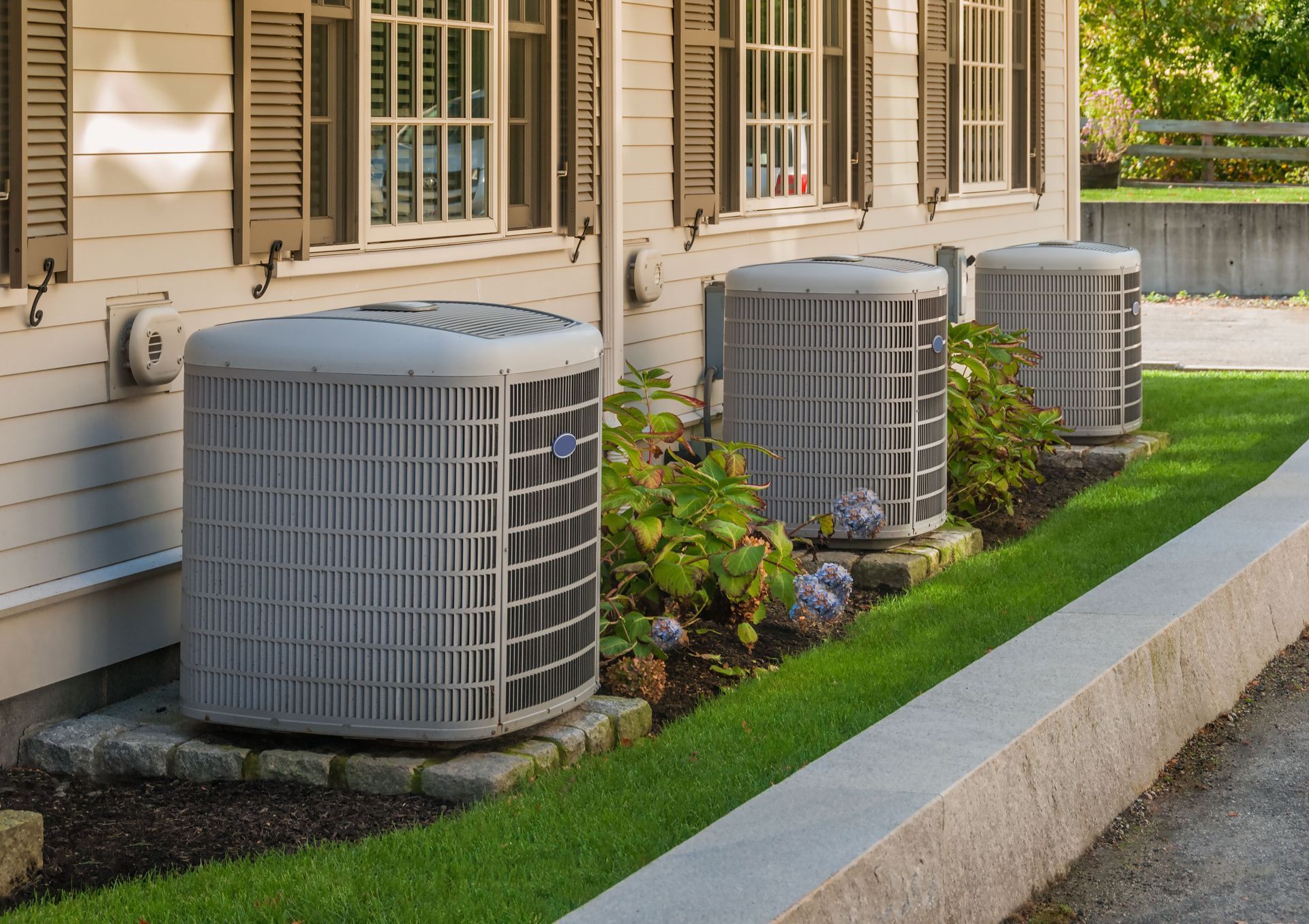
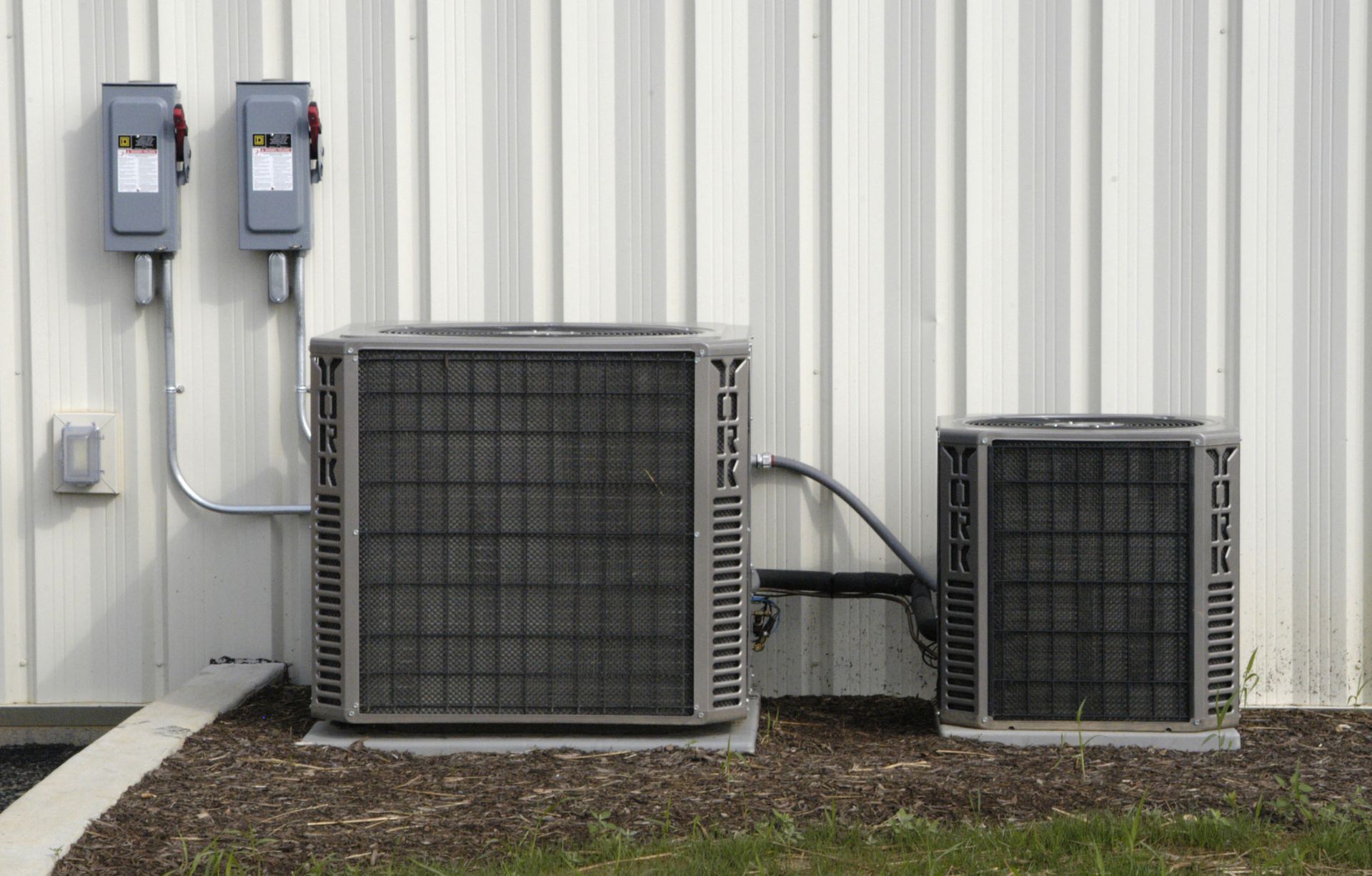
The heating, ventilation, and air conditioning (HVAC) systems play a crucial role in maintaining a comfortable home environment while also impacting a household's energy usage significantly. Upgrading to such systems not only helps in reducing the annual operating budget but also scores in providing consistent indoor climate control without heavy utility bills. These systems come with advanced features like improved ventilators and efficient compressors that align with exceptional standards designed by the EPA. By choosing Energy Star Certified HVAC systems, homeowners can ensure optimum performance while minimizing their environmental footprints.
Adjusting Thermostat Settings Efficiently
Modern thermostats offer advanced programmability features that can significantly contribute to energy savings if used correctly. An Energy Star-certified smart thermostat provides the flexibility to control your home's climate based on your schedule, optimizing energy use even further. These thermostats learn your habits and automatically adjust settings, which leads to reduced energy consumption and increased comfort. Utilizing Energy Star guidelines for optimal thermostat settings can therefore make a tangible impact on your energy bills, especially during peak summer and winter months.
Maintaining HVAC Systems Properly
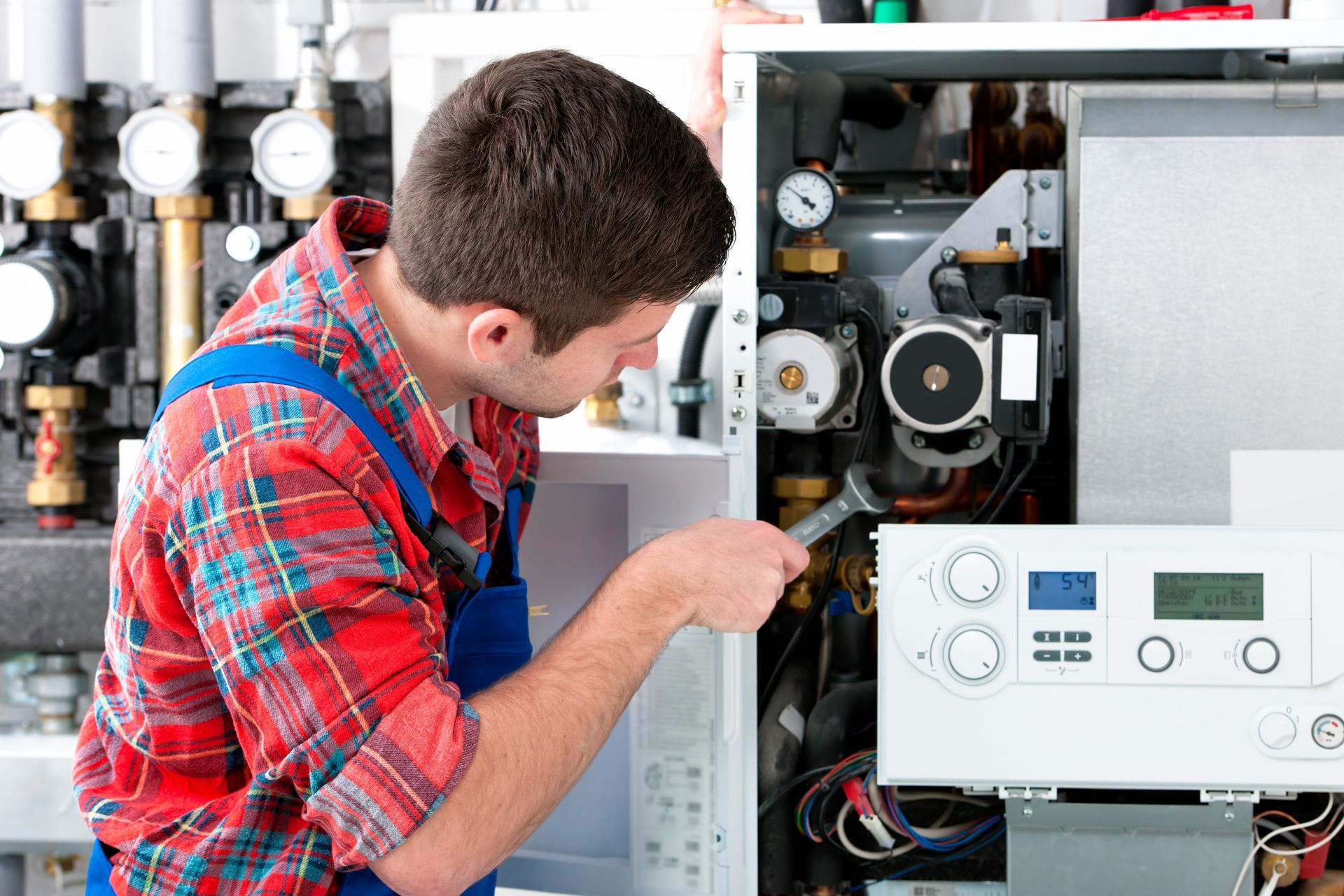
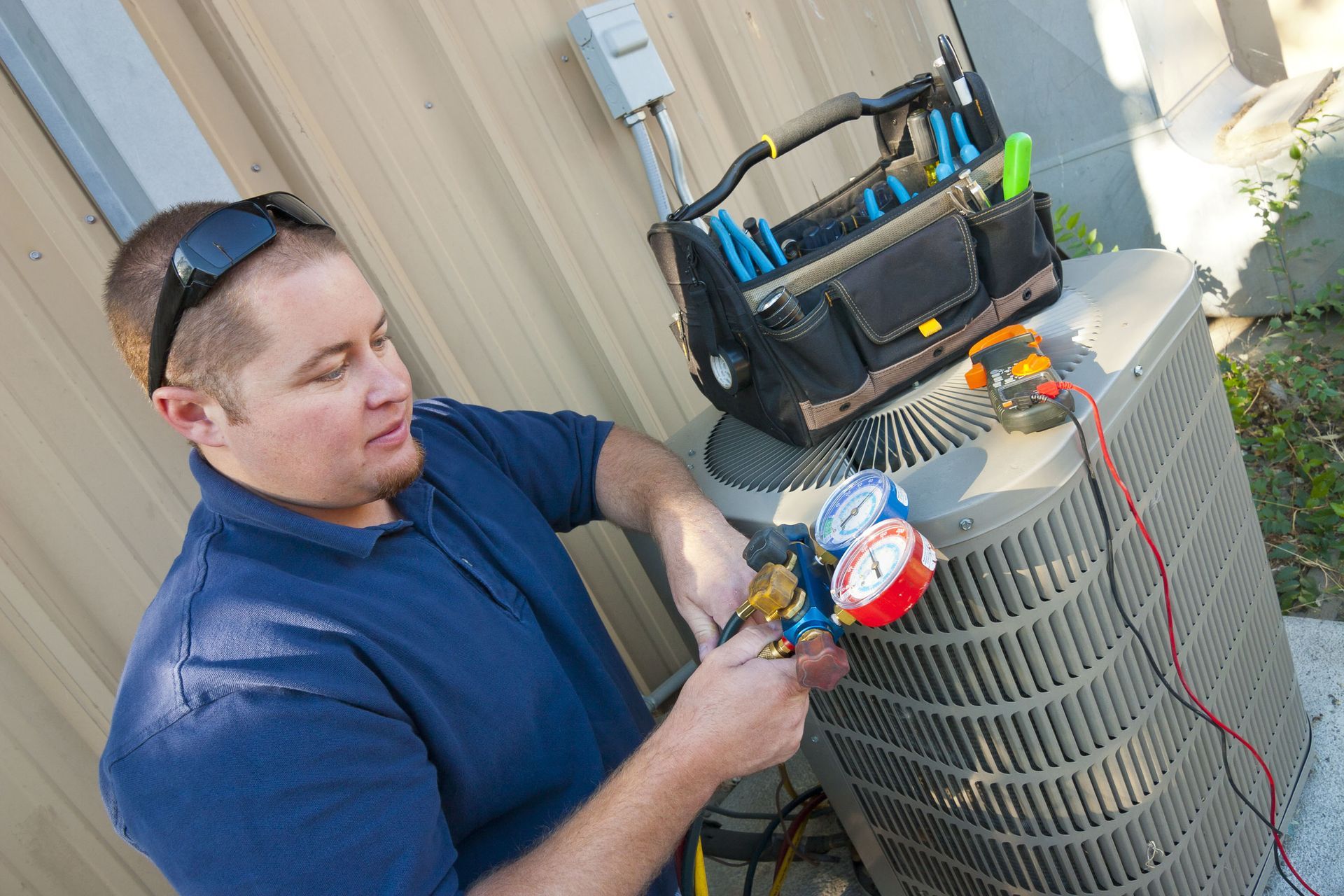
Regular maintenance of your HVAC system is indispensable to maintain efficiency and extend its lifespan. Checking and replacing filters every few months ensures the system operates smoothly without consuming excess energy. Cleaning ductworks and ensuring that vents are unobstructed maximizes airflow, allowing your system to breathe efficiently. Scheduled professional HVAC check-ups at least once a year can identify and fix underlying issues before they become costly problems. Energy Star recommends that homeowners keep a log of maintenance activities, ensuring that no aspect of system care is overlooked, which can lead to enhanced energy efficiency and cost savings over time.
Reducing Heat Loss and Gain Effectively
Minimizing heat loss during winter and heat gain during summer is essential for maximizing your HVAC systems' efficiency. Simple changes such as adding insulation, sealing air leaks, and using window treatments can play pivotal roles in controlling indoor temperatures. Energy Star emphasizes the value of these practices as they reduce the undue burden on your system, resulting in lower operating costs. Use of energy-efficient windows that feature low-emissivity coatings can enhance this barrier against unwanted temperature exchange. By effectively managing heat flow, you encourage less reliant use of mechanical heating or cooling, furthering energy conservation for your home.
Enhancing Lighting Solutions
Maximizing Natural Daylighting
Daylighting involves using natural light to illuminate spaces, reducing reliance on artificial lighting and thus conserving energy. Strategically placing windows, skylights, and reflective surfaces maximizes the penetration of natural light into a home’s interior. This practice not only cuts down on energy bills but also enhances indoor aesthetic appeal and positively impacts occupant well-being by boosting exposure to natural light. Energy Star supports daylighting practices as they reduce heating from artificial lights, lowering cooling costs. Implementing effective daylighting strategies enables households to enjoy bright and welcoming environments without the excessive use of artificial light sources.
Upgrading Appliances and Electronics
Choosing Energy Star Certified Refrigerators
Modern refrigerators that meet Energy Star standards consume less energy while maintaining optimal cooling performance. Features like efficient compressors, improved insulation, and adaptive defrost cycles reduce energy use without compromising food preservation. Selecting Energy Star refrigerators can result in significant annual savings, especially in homes that rely heavily on refrigeration. Regular maintenance, including cleaning coils and ensuring proper airflow, further enhances efficiency. Consulting professional air conditioning contractors can also guide integrating HVAC and cooling appliances for maximum overall household efficiency.
Selecting Other Efficient Home Electronics
Other appliances and electronics, such as washers, dryers, and lighting systems, can also benefit from Energy Star certification. Choosing devices that automatically adjust energy use according to demand or that enter low-power modes when idle reduces unnecessary consumption. Pairing these appliances with well-maintained HVAC systems ensures a comprehensive approach to home energy efficiency, contributing to lower utility bills and a smaller environmental footprint.
Improving your home’s energy efficiency is not just about reducing monthly utility bills—it’s about creating a more comfortable, sustainable, and cost-effective living environment. From properly maintaining HVAC systems to selecting Energy Star Certified appliances and optimizing thermostat settings, every step plays a role in maximizing energy savings and enhancing home performance. Working with experienced air conditioning contractors ensures that these upgrades are installed correctly and operate at peak efficiency, helping you achieve long-term benefits for both your household and the environment. Contact Homestead Plumbing Heating & Cooling today to schedule a consultation and start optimizing your home’s energy performance.